Massive Relief for India: Iran Exempts Indian Ships from Strait of Hormuz Curbs - What It Means for Trading and the Stock Market
4 hours ago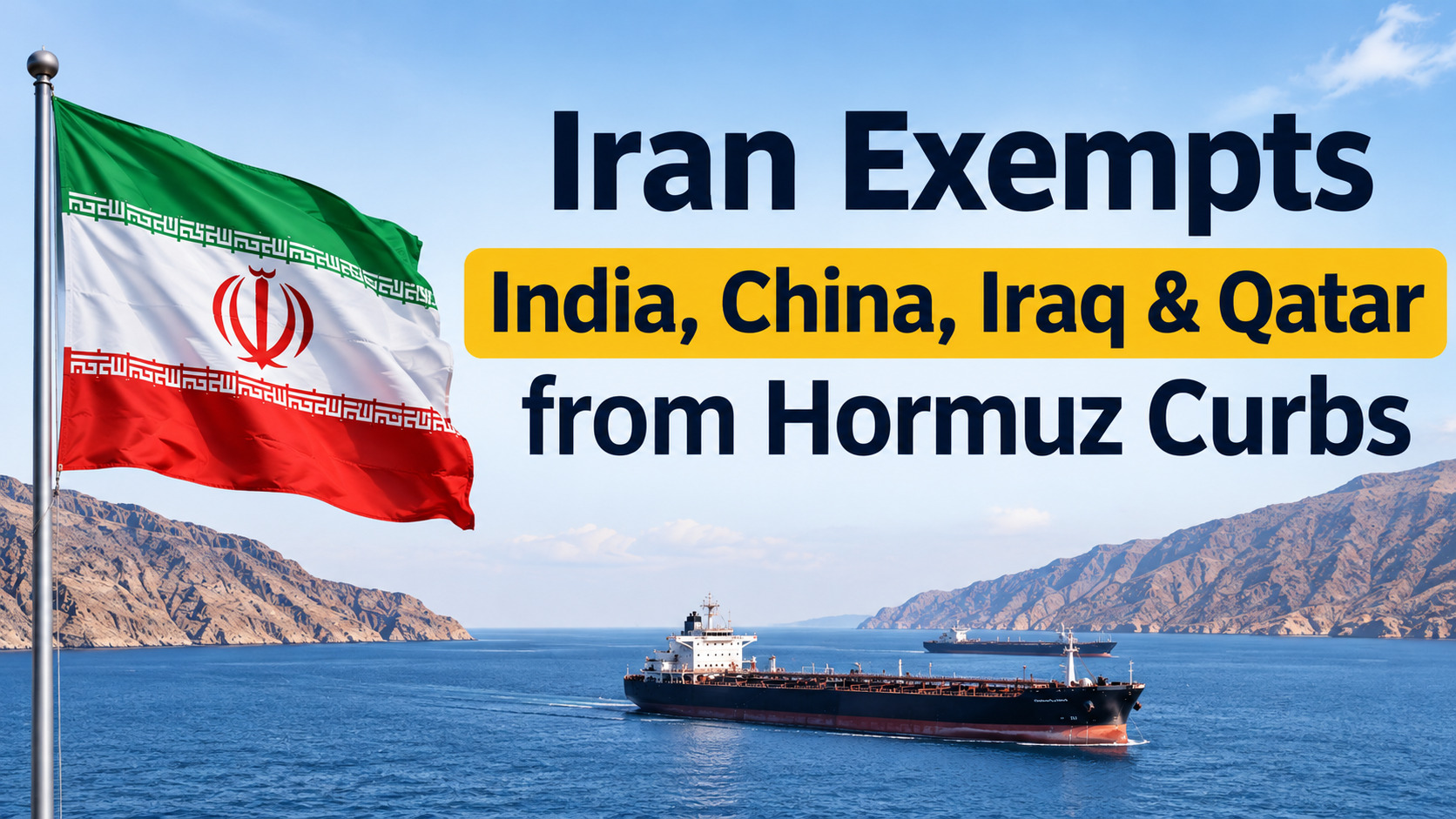
In a development Indian traders and shipping firms have been waiting on for months, Iran exempts commercial ships from India, China, Iraq and Qatar from its transit restrictions in the Strait of Hormuz. The announcement comes while attacks on vessels in the region continue. It also lands at a time when energy prices, freight costs and the stock market all move closely with every headline from West Asia.
The news that Iran exempts Indian vessels came from Amir Hayat Moghadam, Deputy Chairman of the Iranian Parliament’s National Security and Foreign Policy Committee. He said it in an interview with the semi-official Iranian Students’ News Agency (ISNA) on Tuesday.
What Iran Said?
“We have currently exempted four countries – India, China, Iraq and Qatar – from transit restrictions in the Strait of Hormuz. Ships from these countries pass freely, and the Americans do not intercept them either,” Moghadam was quoted as saying.
According to Moghadam, Iran exempts these four nations based on “specific considerations and mutual interests.” In India’s case, the reason is practical: Tehran wants to keep importing medicines from India. For China, the exemption is meant to win Beijing’s political support. Iraq and Qatar, both Gulf neighbours, complete the list.
This isn’t the first time Tehran has made a “friendly nations” list. Back in March, Iran’s Foreign Minister Abbas Araghchi said ships from China, Russia, India, Iraq and Pakistan would be allowed through. Under the new list, Iran exempts India, China, Iraq and Qatar, which shows the access rules keep changing with Tehran’s diplomatic priorities.
Why the Strait of Hormuz Matters?
The Strait of Hormuz is the narrow waterway that connects the Persian Gulf with the Gulf of Oman. In normal times it carries roughly 20 per cent of the world’s energy supplies. When traffic through it slows, crude oil, LNG and LPG prices react almost immediately. Trading across global commodity and equity markets reacts just as fast.
Shipping has been badly disrupted since February 28, when the US and Israel launched joint attacks on Iran and Iran struck back. Iran moved to shut the waterway soon after the bombing began. A few weeks later, Washington responded with a naval blockade of Iranian ports. Since then Iran has let only a few vessels through. Others are screened and, in some cases, made to pay transit fees.
Against that backdrop, the fact that Iran exempts Indian ships from these restrictions is significant. Indian vessels may now face fewer delays and less uncertainty than ships from countries that are not on the list.
The Human Cost Continues
The relief comes with a grim reminder. At least 15 Indian seafarers have been killed in attacks on ships in the region since the conflict began in February. In the latest incident, an Indian sailor was killed on Monday evening in an attack on the commercial vessel MSV Al Jusufi near Limah in Oman.
Even as Iran exempts Indian ships from transit curbs, crews are still in danger. India has called the continuing attacks on commercial shipping “deeply concerning” and has consistently pushed for a solution through dialogue and diplomacy. New Delhi’s position is clear. The targeting of commercial shipping and civilian infrastructure must end. Free and unimpeded navigation through international waterways must also be restored as soon as possible, in keeping with international law.
What It Means for the Stock Market?
For Indian investors, the headline that Iran exempts India from Hormuz restrictions matters more than it might first seem. India imports most of the crude oil it uses and a large share of its cooking gas, and much of that has usually travelled through this route. Smoother passage for Indian vessels could ease some supply worries, and markets tend to price that in quickly.
Here’s how different parts of the stock market could read the news:
Oil marketing companies: Lower supply risk can ease the pressure on input costs, though a lot depends on where crude prices settle.
Aviation: Jet fuel is one of the biggest costs for airlines, so any drop in crude prices tends to lift sentiment.
Paints, chemicals and tyres: These sectors use raw materials made from crude, so steadier oil supply helps them.
Shipping and logistics: Easier transit helps day-to-day operations. Freight rates and war-risk insurance are still high, though, so the overall effect is mixed.
Rupee and bonds: A smaller oil import bill supports the rupee and eases inflation worries, which bond markets watch closely.
Upstream oil producers: These companies could be hurt if crude prices fall.
That said, nobody should treat the news that Iran exempts Indian ships as an all-clear signal. The exemption depends on what suits Iran right now and can change at any time. Vessels are still being attacked, the US blockade of Iranian ports is still in place, and there is no clear end to the wider conflict.
What Traders Should Watch?
If you trade equities, index options or commodities, the next few sessions call for discipline rather than excitement. Iran exempts four countries today, but the list could look different tomorrow. Keep an eye on:
Brent crude prices: This is the clearest sign of how much Hormuz risk markets are pricing in.
India VIX: A rising VIX means traders are nervous and intraday swings are likely to be bigger.
Official confirmation: Statements from New Delhi and data on actual ship movements will show whether the exemption works in practice.
Fresh attacks: A new incident involving Indian ships or crew could quickly turn sentiment negative again.
The rupee: Currency moves often show how foreign investors see India’s exposure to oil.
When news drives the market, moves can be sharp in both directions. Traders in Nifty and Bank Nifty options in particular should remember that one headline can reverse an intraday trend. Position sizing and stop-losses matter more than ever when geopolitics is moving prices.
The Bigger Picture
On the diplomatic side, the fact that Iran exempts India along with China, Iraq and Qatar shows that New Delhi has kept working relations with several sides during a difficult conflict. India has consistently called for peace while protecting its energy security and trade interests.
For the stock market, the takeaway is simple. Iran exempts Indian ships, which is good news for India’s energy security and trade. But the extra risk that markets price in because of West Asia hasn’t gone away. Markets reward stability and punish surprises.
Conclusion
As Iran exempts a handful of nations from Hormuz restrictions, Indian markets get a welcome break after months of worry about supplies. For traders, though, this is a time to stay alert, not to relax. The situation in the Strait of Hormuz can change quickly, crews are still at risk, and crude prices can jump or fall on a single development. Follow the data, manage your risk carefully, and wait for the market to confirm the trend before you act.
Disclaimer: This article is for information only. It is not investment advice or a recommendation to buy or sell any security. Please consult a SEBI-registered advisor before making investment decisions.